Teacher Training
 ATAA is approved by our national professional organization, the American Society for the Alexander Technique (AmSAT).
ATAA is licensed by the State of Michigan Department of Energy, Labor, and
ATAA is approved by our national professional organization, the American Society for the Alexander Technique (AmSAT).
ATAA is licensed by the State of Michigan Department of Energy, Labor, and  Economic Growth: Division of Post-Secondary Education and Lifelong Learning.
Curriculum
When we enter an Alexander teacher-training course, we enter a period of intense self-study. This self-exploration enhances our daily lives and ideally continues as long as we are alive. It is an adventure like no other.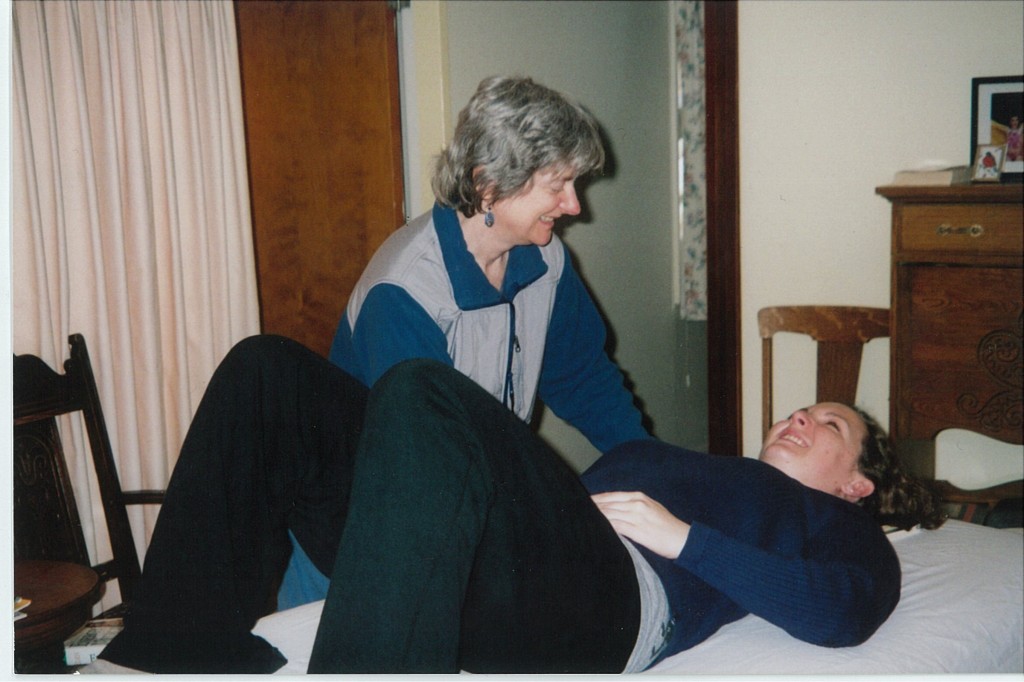
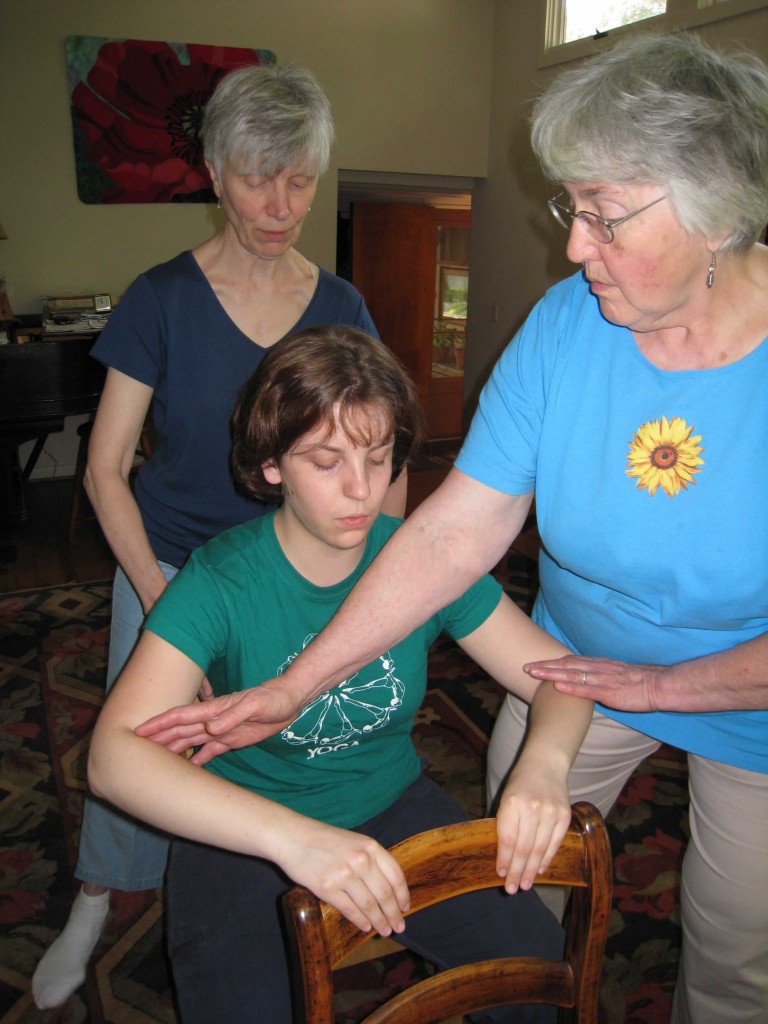 To become a teacher of the FM Alexander Technique, we need conceptual understanding of the basic principles as well as a personal understanding of Alexander's process of changing habits of thinking and moving. In order to communicate this process to another person, we need verbal skills, people skills, and Alexander hands-on skills.
We must be able to pay attention to ourselves while talking to our pupil, while putting our hands on the pupil, and all while guiding the pupil through a movement task. We also learn to convey a neuromuscular experience via our hands. This sophisticated skill develops gradually during the training years, and continues developing throughout our years of teaching Alexander lessons.
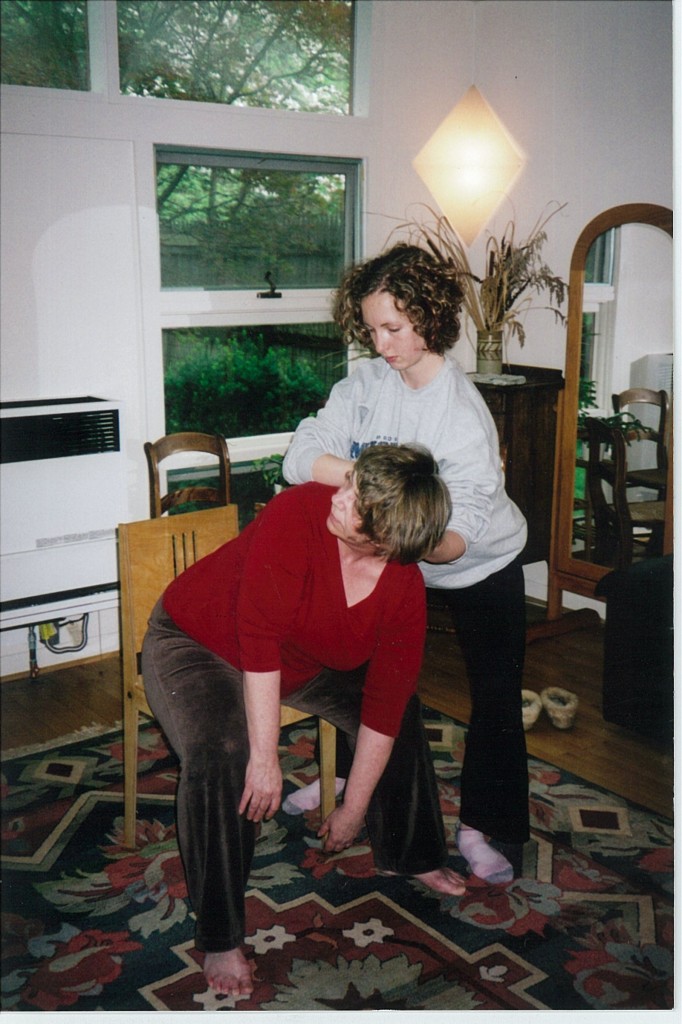
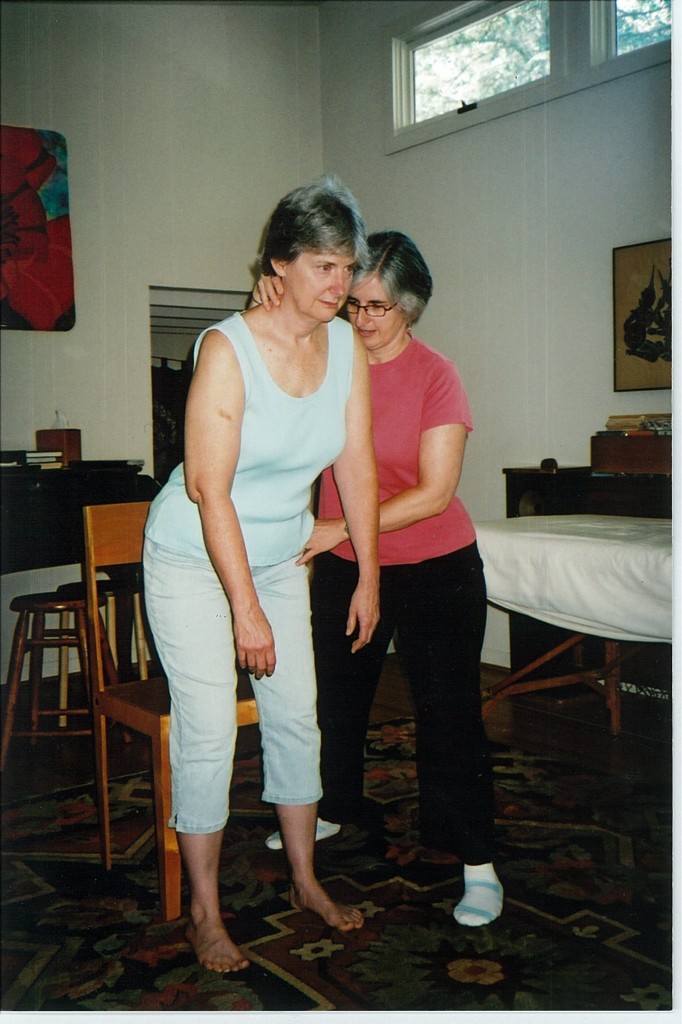 The training will focus on learning self-observation skills that improve the use of one's self in daily activities. This improved self-use will transfer to classroom hands-on work. Each day we explore common Alexander Technique procedures (e.g. chair and table work, walking, various Monkeys, lunge, voice and breathing work). Application of Alexander principles to performance modalities (e.g. music, dance, drama) will be part of the hands-on training during most terms.
We read and discuss all of the primary and some secondary sources. There is regular group and individual study of anatomy and physiology. Communication skills, practice teaching, Ethics of Touch, and professional practice-building are also included in the course.
The training will focus on learning self-observation skills that improve the use of one's self in daily activities. This improved self-use will transfer to classroom hands-on work. Each day we explore common Alexander Technique procedures (e.g. chair and table work, walking, various Monkeys, lunge, voice and breathing work). Application of Alexander principles to performance modalities (e.g. music, dance, drama) will be part of the hands-on training during most terms.
We read and discuss all of the primary and some secondary sources. There is regular group and individual study of anatomy and physiology. Communication skills, practice teaching, Ethics of Touch, and professional practice-building are also included in the course.
******************************************************************************************************
Schedule/Calendar
Alexander teacher training traditionally covers no less than 3 and no more than 5 years. Individual exceptions to the usual training schedule will be considered as needed.
Contact the Director at jheirich@umich.edu for calendar information.
Tuition
$6000 per calendar year, and approximately $200 for book purchases per year. Tuition adjustment will be made for a student who is less than full-time in any term.
Prerequisites
Potential trainees are expected to have had several individual lessons with a fully certified Alexander teacher, and preferably at least 3 private lessons and an interview with the course Director.